
Artificial intelligence brings more than just automation to affiliate marketing. AI helps look over huge amounts of data, making it much easier for me to spot trends, patterns, and opportunities that I might otherwise miss. In the past, much of this work was slow and manual, but now AI can reveal actionable insights in real-time.
This switch-up allows beginners and experts alike to compete more effectively. With AI, I can personalise campaigns, forecast outcomes, and game-plan my strategies with a few smart moves. For example, machine learning algorithms can sort through sales data, website traffic, and audience behaviour to suggest the right products or marketing tactics for each group.
Affiliate marketing is about building trust and delivering value. AI can help by making my content more relevant to each visitor and suggesting improvements so that even small tweaks have a noticeable impact. A recent survey from Statista showed that 80% of marketers using AI report higher conversion rates and improved engagement, proving how these tools create real opportunities for growth.
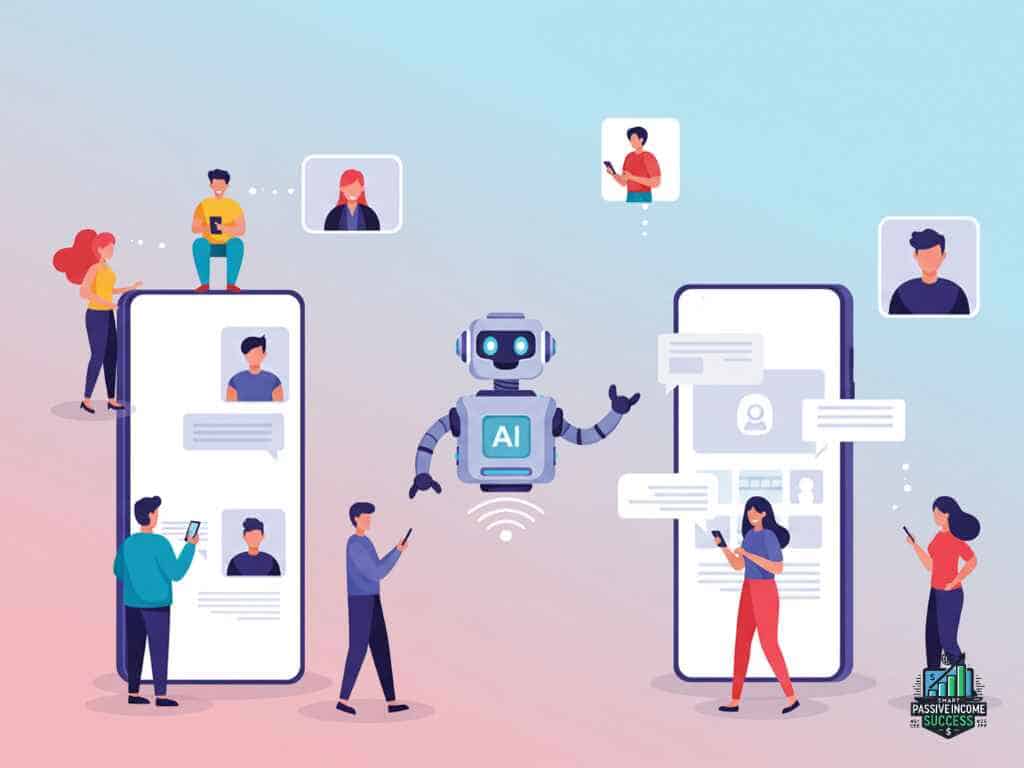
Getting into AI doesn’t mean you need to master coding or complex data science. Most helpful AI tools are made for everyday users, even those just beginning. Here are some of the core tools that help take my affiliate marketing strategy up a notch:
- AIPowered Content Generators: These platforms can help me brainstorm, outline, and produce articles, product reviews, and social posts faster. Tools like Jasper and ChatGPT are widely used for this purpose.
- SEO Analysis and Keyword Tools: Platforms with built-in AI, such as Surfer and SEMrush, can recommend the best keywords for my niche, optimise on-page SEO, and analyse competing sites for gaps I can fill.
- Automated Email Marketing: AI-driven services like Mailchimp and ConvertKit (now called Kit) help segment lists, recommend the best send times, and even personalise subject lines for higher open rates.
- AIBased Analytics Dashboards: I rely on these to pull in affiliate sales data, traffic stats, and customer interactions from multiple channels, showing me what’s working and what needs a boost, often with easy-to-use visualisations.
All these tools are accessible, and many offer free trials or learning resources. Wealthy Affiliate also brings together several AI tools so members like me can smooth the way from content writing to keyword research within one platform, saving a lot of time and hassle.
I’ve found that using AI is much more effective when you follow a simple, clear process. Here are the steps I recommend for making the most of AI in your affiliate strategy:
- Choose Your Platform Carefully: Select an affiliate platform that supports AI tools natively or matches up with third-party AI tools. Wealthy Affiliate, for example, provides built-in AI writing and SEO features.
- Identify Your Niche and Audience: Use AI-powered research tools to uncover trending topics, in-demand products, and specific audience needs.
- Create Content with AI Assistance: Use AI-driven writing tools to brainstorm, outline, and draft your blog posts, reviews, and emails.
- Optimise for SEO: Get the most out of AI keyword analysis to make sure every article and landing page is easy for search engines to find and rank.
- Automate and Personalise Emails: Put AI tools to work to segment your audience and craft messages targeted to each group, increasing your clicks and conversions.
- Monitor and Adjust Your Campaigns: Regularly check your AI-powered analytics for insights. Tweak your approach based on what the data tells you, not just guesses or assumptions.
If you’re just starting out, each of these steps helps eliminate guesswork and speeds up results, making affiliate marketing a lot more manageable.
AI saves time and increases accuracy, but it also brings a few things you need to pay attention to. Relying purely on automation can make your content feel less authentic, and sometimes the best results come from blending AI insights with your own voice and experience.
- Quality Control: AI often creates content that’s technically correct but may lack personal stories or that special spark. Editing and adding your experience is super important.
- OverReliance and “Sameness”: Since many marketers use similar AI tools, there’s a risk of websites looking or sounding the same. Putting in your own spin helps keep your brand unique.
- Bias in Recommendations: AI tools learn from existing data, which means they might suggest popular keywords or products but miss new trends. Mixing AI with hands-on research improves results.
- Costs and Tool Choices: Some advanced AI tools can get pricey. Look for platforms with built-in features, like Wealthy Affiliate, to lock in your spending and learning curve.
Quality Control in Your AI Content
I’ve found that reviewing AI-generated content is the easiest way to make it genuinely useful for readers. Adding personal anecdotes, case studies, real examples, or a conversational tone can turn generic suggestions into actionable advice your audience trusts.
Staying Unique in a Sea of AI Content
Letting AI do the heavy lifting on research, outlining, or optimising lets me focus on what I know best about my niche. This approach helps me avoid blending in and establishes a stronger brand identity. That’s especially important as AI use grows across the affiliate industry.
Balancing AI Automation and Personal Insight
Automating routine work, such as updating old posts, crafting quick product blurbs, or reworking descriptions, frees up my time for creating original content, building relationships with partners, and getting involved with my audience. AI works best as a partner, not just a replacement.
There’s no need to feel overwhelmed by these challenges. Plenty of affiliate marketers start small, experiment with tools as they grow, and soon find their comfort zone. Consistency and a willingness to test new methods are both really important for anyone hoping to succeed here.
Once the basics are in place, AI can support even deeper strategies for bumping up your affiliate earnings:
Dynamic Personalisation: With AI-powered content personalisation, I can show the right offer or ads to each user based on their browsing patterns, purchase history, and demographics. This can make conversion rates increase a lot, especially on sites with a variety of visitors.
AB Testing Automation: Instead of running every test manually, I use AI-powered platforms that auto-optimise landing pages, headlines, or calls to action based on what’s working best. That means quicker improvements and less guesswork.
Predictive Analytics: Using platforms that forecast trends helps me stock up on the right affiliate products, create timely content, or change up my strategies before market changes hit. I see this feature inside many modern analytics dashboards.
Chatbots for Interaction: Integrating simple AI chatbots can answer common questions, collect email addresses, or recommend products at any time of the day. These bots make it easier to capture leads while I focus on other tasks.
Visual and Voice Search Optimisation: AI tools can optimise my images for Google Lens or help me adjust my content for smart speakers, unlocking new affiliate opportunities in spaces that are growing fast.
Advanced strategies like these help seasoned marketers multiply their results. As AI tech matures, new features and smarter automation tools continue to roll out, so it’s important to keep learning and experimenting.
Here are answers to some of the questions people often ask when starting out with AI in affiliate marketing:
Question: Do I need technical skills to use AI tools for affiliate marketing?
Answer: Most AI tools designed for affiliate marketers don’t require technical knowledge. Platforms like Wealthy Affiliate offer straightforward interfaces and step-by-step guides, so you can start even if you’re new to tech.
Question: How can AI help me pick the right affiliate products?
Answer: AI-powered research tools analyse market trends, competitor data, and audience preferences to recommend products with high potential, saving me a lot of time on manual research.
Question: What’s the best way to combine my own knowledge with AI recommendations?
Answer: I use AI tools for the heavy lifting—finding keywords, outlining articles, or testing strategies—and then inject my own personal stories or insights to make sure my content is relatable and trustworthy.
Here are a few practical examples of how AI tools work for affiliate marketers at different stages:
- Niche Finding: Using an AI-powered keyword tool, I spotted a rising demand for eco-friendly household products, leading to a new affiliate niche.
- Content Scaling: I put AI writing assistants to work drafting outlines for a whole month of blog posts, saving hours of brainstorming and bumping up my publishing schedule.
- Email Automation: By linking up with an AI-powered email service, I split up my subscribers by their click history. This boosted my open rates, since readers got more relevant emails.
- Performance Monitoring: I used analytics dashboards to spot which affiliate offers converted best, then adjusted banners and featured products in real time.
These examples show how even small changes, paired with AI insights, can help give a boost to results and build confidence as I grow.
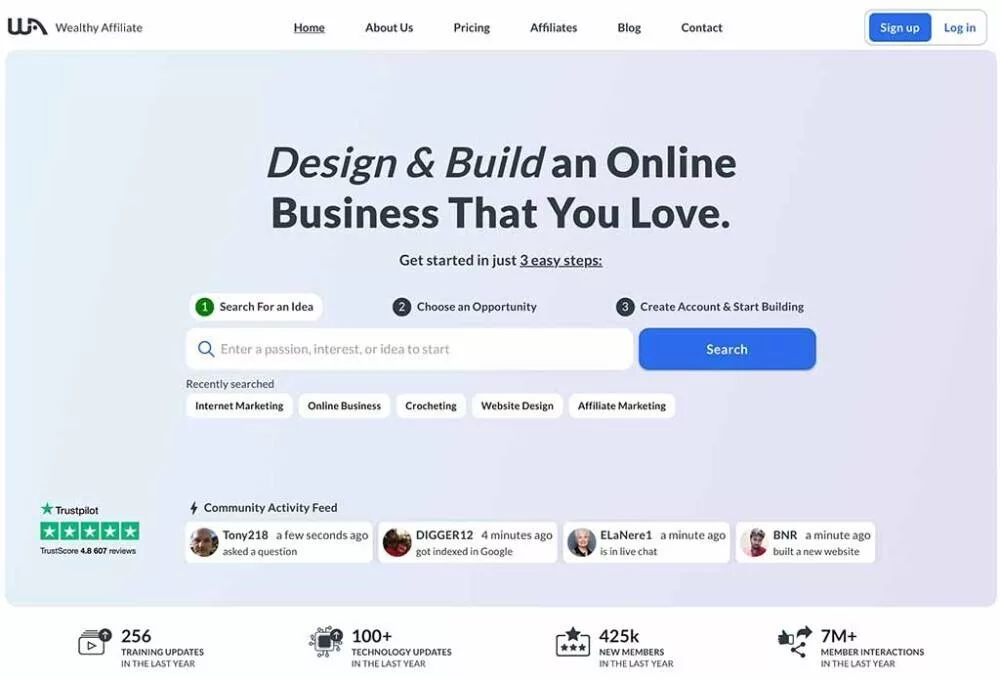
Getting the hang of AI can feel overwhelming, especially with so many tools out there. Wealthy Affiliate, where I work and learn, comes with a suite of AI-driven resources designed for affiliate marketers of every experience level. Inside, I can find keyword research tools powered by AI, automated content writing features, and a community support system if I ever get stuck or want to pick up new tactics.
If you’re ready to give AI a shot or want a community of like-minded marketers, start trying things out within Wealthy Affiliate. The platform tones down the technical side, so you can focus on building your business, gaining experience, and expanding a more steady affiliate income. Having access to up-to-date tools and training makes each new step a bit easier and more fun to tackle.
Trying out AI tools has made affiliate marketing more accessible and rewarding for me. By mixing in the right strategies, staying sharp on new trends, and using tools for everyday users, anyone can unlock better results, no matter where they are right now in their affiliate adventure.
AI is changing the way affiliate marketing works — and the sooner you start using it, the faster you’ll see results. Wealthy Affiliate makes it simple, with built-in AI tools, guided training, and a supportive community to back you up. Click here to explore Wealthy Affiliate and take your first step into smarter, AI-powered affiliate marketing.



I’ve been integrating AI into my affiliate marketing efforts for over a year now, and the impact has been substantial. Using AI-driven content tools has helped me generate product reviews and comparison articles much faster, while maintaining quality. I’ve also seen great results from predictive analytics, especially when identifying which products are likely to convert based on user behavior. One of the biggest game-changers for me has been AI-powered chatbots that guide visitors toward affiliate links in a natural, helpful way. It’s not just about automation; it’s about smarter, more targeted engagement.
Thanks so much for sharing your experience! It’s great to hear how you’ve been leveraging AI beyond just content creation — predictive analytics and chatbots are excellent examples of how powerful these tools can be when used strategically. I completely agree it’s not just about automation, but about creating smarter, more personalized engagement with visitors. That’s exactly where I see the biggest long-term advantage too. Out of curiosity, have you found one AI tool or platform that’s been the most impactful for you so far?
This post resonates with my journey as an affiliate marketer. When I first started, I often felt overwhelmed by keyword research, content planning, and analytics. However, once I began using AI tools, particularly for content creation and SEO, I noticed a significant improvement in the smoothness of my process.
What I appreciate most is how AI manages the heavy lifting, allowing me to focus on incorporating my personal stories and unique voice. This balance has enabled me to create content that connects better with my audience. I completely agree that AI is a partner, not a replacement, and it has been a game-changer for me, helping me maintain consistency and grow my strategy.
I really appreciate you sharing this! I can totally relate to feeling overwhelmed in the beginning — keyword research and content planning can be tough to juggle. I love how you’ve highlighted the balance between AI doing the heavy lifting and still keeping your own voice in the content. That’s such an important point, because at the end of the day, it’s the personal stories and authenticity that really connect with readers. Consistency + creativity with AI as a partner really is a winning combo!
Great breakdown of how AI tools are streamlining every part of the digital marketing process! I especially agree with how platforms like Jasper and ChatGPT can speed up content creation while keeping quality high. It’s also great to see how integrated solutions—like Wealthy Affiliate—can centralize everything from keyword research to content publishing. Definitely a time-saver for anyone juggling multiple tools. Thanks for sharing this clear overview!
Thanks so much for the feedback! I’m glad the breakdown resonated with you. Jasper and ChatGPT have definitely been game-changers for speeding up content creation while still keeping it authentic. And yes — having everything in one place with a platform like Wealthy Affiliate really does take away the hassle of juggling multiple tools. It makes the whole process smoother, especially for beginners who just want to focus on building momentum. Do you use Wealthy Affiliate yourself, or do you prefer keeping a mix of different tools?
I really appreciate this post’s clear take on how AI can transform affiliate marketing—from automating repetitive tasks to providing real-time audience insights. It’s refreshing to see AI framed not as a replacement, but as a powerful amplifier that can free marketers to focus on strategy instead of grunt work.
Which AI tool has made the biggest difference in your affiliate workflow—whether for optimizing campaigns, generating content ideas, or analyzing conversions?
Have you ever encountered quirks or unusual results from AI-powered recommendations? How did you handle it?
I’m really glad you enjoyed the post! For me, the biggest game-changer has been AI-driven keyword research and content idea generation — it takes so much of the guesswork out of planning, which saves a ton of time. As for quirks, definitely! Sometimes the AI suggests keywords or content angles that don’t quite fit the audience, so I treat those as a starting point rather than the final word. A bit of human filtering and creativity always brings it back on track. How about you — have you had any standout wins or funny misfires with AI in your own workflow?
This is great – AI has definitely transformed the online world, even beyond affiliate marketing! I’ve been playing around with AI myself over the last few months, and it’s definitely streamlined my workflow! Having it brainstorm and then outline blog posts and articles has been a complete game-changer. It’s saving me so much time, and I’m getting the same, or better, results! I will say, it’s very important to ensure you’re “humanizing” the content, adding accurate information and a personal touch. But, this isn’t too difficult when AI has already done the heavy lifting.
As someone who already uses AI in my work, I appreciated your list of more advanced strategies. I’ll definitely be looking into these things. Thanks for the info and I can’t wait to see where AI goes in the future.
I really appreciate your thoughtful feedback! Totally agree — the real magic happens when AI handles the heavy lifting and we step in to add the human touch, accuracy, and personal voice. That balance is what makes content both efficient and authentic. I’m glad you found the advanced strategies helpful too — it’s exciting to see how quickly things are evolving, and I’m with you, I can’t wait to see where AI takes us next!
AI has been a game changer, but I don’t think everyone knows just how much AI can do for your business. For instance, I have mainly used AI for content generation, but I see you can use it for SEO Analysis, Keyword marketing, as well as pulling in analytics, which I need to find out more about.
As a dance teacher, I even use it to generate fun stories to dance to for my little and design lesson plans, so I think in a few years time, none of us are going to be able to function without it.
Thanks so much for sharing this! I love that you’ve found creative ways to use AI not just in affiliate marketing, but even in your dance teaching — that’s such a brilliant example of how versatile these tools can be. And you’re spot on: most people only scratch the surface with content generation, but AI’s potential for SEO, analytics, and marketing insights is huge. I agree with you — it’s becoming harder to imagine running a business (or even day-to-day work) without it.
John, this is such a valuable breakdown of how AI is reshaping affiliate marketing. I really like how you’ve highlighted not just the benefits, but also the challenges like over-reliance, sameness, and the importance of adding your personal voice. That balance between automation and authenticity is key, especially when so many people are using similar AI tools. The step-by-step approach you laid out makes the process less overwhelming, especially for beginners who might feel intimidated by AI. I also appreciate your mention of predictive analytics and visual/voice search—those are often overlooked but could be game-changers in the near future. The real-world examples really ground everything, showing how small AI-powered adjustments can lead to real results. It’s clear you’ve walked the walk, not just talked theory. This post is an excellent resource for anyone serious about growing their affiliate business.
Thank you so much for the thoughtful feedback — I really appreciate it! You’re absolutely right, finding that balance between automation and authenticity is what makes AI so powerful without losing the human touch. I’m glad the step-by-step approach came across clearly, because it’s easy for beginners to feel overwhelmed when diving into all these tools at once. And yes, predictive analytics and visual/voice search are two areas I think we’ll see exploding soon — it’s exciting to think about how they’ll reshape affiliate marketing even further. Out of curiosity, is there one AI trend you’re personally most excited to explore in your own business?
Thank you, it was a good read. As someone interested in and learning about affiliate marketing, I will sign up for your 7-day free course. will let you know how i get on. I have started a blog myself about following my journey as i discover affiliate marketing so hopefully i can reference your course and link to your page and review how i got on if thats OK
That’s fantastic to hear — I’m really glad you found the post helpful, and I’m excited you’ll be going through the 7-day free course! Definitely keep me posted on how you get on. Starting a blog to document your journey is such a smart move, and of course, you’re more than welcome to reference the course and link back. Wishing you the best with your new blog — I’m sure your story will inspire others who are just starting out too.
This article is such a clear and practical guide to integrating AI into affiliate marketing! I love how you break down not only the tools but also the step-by-step process for using them effectively, from content creation to email automation and analytics. It’s especially helpful that you highlight the potential pitfalls, like overreliance and loss of authenticity, because those are easy to overlook when starting out. I’m curious, in your experience, which AI tool has had the biggest impact on engagement and conversions for beginners just starting their affiliate journey?
Thanks so much for the thoughtful feedback! I agree — it’s easy to overlook the pitfalls when you’re just getting started, which is why I always stress keeping authenticity front and center. In my experience, the biggest boost for beginners comes from AI-powered keyword research and SEO tools, since they make it much easier to attract the right audience early on. That’s one of the reasons I like Wealthy Affiliate — it brings those AI tools together in one place, alongside training and support, so you don’t have to juggle a dozen platforms. Have you experimented with any AI tools yet in your affiliate journey?
I’ve been experimenting with AI in my affiliate workflow this year, and I can vouch for a lot of what you shared here. Content generation has been a huge time saver, but like you said, it still needs that human touch. My early mistake was publishing AI drafts “as is” , they ranked at first, but engagement was low. Once I started adding my own stories, examples, and edits, conversions picked up. I also noticed predictive analytics helped me spot product trends before competitors jumped in. I also have a question if that’s okay. Have you found one AI tool that stands out as your “must-have,” or is it really about mixing several together?
Really appreciate your feedback — I’m glad the examples helped make things feel concrete! For someone just starting out, I’d say AI-powered SEO and keyword research usually give the biggest immediate return. When you can target the right audience from the start, everything else (content, emails, even analytics) becomes more effective. That’s one reason I often recommend Wealthy Affiliate — it bundles beginner-friendly AI keyword research, content tools, and training in one place, so you can see results faster without feeling overwhelmed. Have you tried experimenting with any of these tools yet?
AI has become a hu ge deal nowadays. I can’t imagine what it’ll prooke. However, I have used it with affiliate marketing and it makes my job much more easier; especially in email and affiliate marketing. Less time, more active. Yes, I know it sounds controversial; but it has worked!
You’re absolutely right — AI has become a huge deal, and it’s only getting bigger! I’m with you, the time savings in areas like email and affiliate marketing are massive, and it really does make the whole process more active and efficient. That’s one of the reasons I recommend platforms like Wealthy Affiliate — it pulls AI tools and training together so you can get the benefits without the overwhelm. Glad to hear it’s working well for you too!
Thanks for this clear and insightful breakdown of how AI can elevate affiliate marketing. I loved how you highlighted AI’s ability to automate repetitive tasks, personalize recommendations, and optimize campaigns with real-time insights—it’s a real game-changer for streamlining workflows and boosting conversions. AI isn’t here to replace us, but to amplify what we already do well. Questions to Prompt Conversation:
What AI tool have you found most helpful so far in your affiliate workflow—whether for content generation, campaign optimization, or analytics?
Have you encountered any challenges or unexpected results when relying on AI-driven recommendations or automation in your marketing strategy?
Thanks so much for the kind words — I’m glad the breakdown resonated with you! For me, AI-driven keyword and SEO tools have been the most helpful, especially for beginners, since they take away a lot of the guesswork and make campaigns easier to optimize from the start. I also lean on AI for content ideas, though like you mentioned, it’s important to keep the human voice and strategy in place. One of the challenges I’ve run into is when AI suggests things that look good on paper but don’t quite match audience intent — that’s where human insight still matters most. That’s one of the reasons I like Wealthy Affiliate: it brings AI tools, training, and community support together, so you’re not just relying on automation alone. How about you — have you had more success with AI on the content side, or campaign optimization side?
Great article—really clear and practical breakdown of how AI fits into affiliate marketing today. I like how you emphasized that AI shouldn’t just replace human input but should be used as a partner to speed things up while still keeping the personal touch. The real-world examples of niche finding, email automation, and analytics made the benefits feel very concrete.
One thing I’m curious about: for someone just getting started, which AI tool would you say gives the biggest immediate return—content generation, SEO research, or analytics?
Thanks so much for the feedback — I’m glad the examples landed well! For someone just starting out, I’d say AI-powered SEO and keyword research usually give the biggest immediate return. When you know what your audience is actually searching for, your content and campaigns perform so much better right from the start. That’s one reason I like Wealthy Affiliate — it bundles AI keyword research, content tools, and training in one place, which makes it easier for beginners to see results without feeling overwhelmed. Have you had a chance to try out any AI tools yet?
Hi John
Super helpful article! I appreciate how you laid out a real step-by-step approach to leveraging AI in affiliate marketing—from niche research to email personalization and A/B testing. The balance between practical “how-to” tools and a reminder to stay authentically human (not letting AI make content feel bland) really resonated. It’s clear AI isn’t a shortcut, but a powerful assistant when used wisely. Thanks for the clarity. I feel ready to explore Jasper, Surfer, and smarter email strategies myself!
Thierry
Thanks so much, Thierry — really appreciate your feedback! You’re spot on: AI isn’t a shortcut, but when used wisely it can be a real accelerator. Jasper, Surfer, and smarter email strategies are excellent places to start — you’ll likely notice the time savings right away. If you’re interested in exploring everything in one place, I also recommend Wealthy Affiliate, since it combines AI-driven keyword research, training, and community support, which makes experimenting with these tools a lot less overwhelming. Excited to hear how you get on with your next steps!
You really are a wealth of knowledge. I’ve been using AI, especially ChatGPT, pretty regularly to help me read Google Analytics, critique my CTAs for affiliate links and opt-ins, and suggest products when relevant. I also like using it as a sounding board when I feel stuck—it helps me sort my thoughts and map out next steps. For images, I’ve been using MidJourney’s basic plan, since it’s affordable and gives me more original visuals than Canva stock. I’ve tried Canva’s AI image tool too, but I haven’t been impressed. Have you tested it out?
Really appreciate your kind words — and I love how you’re using AI as both a data helper and a creative sounding board, that’s such a smart approach! I’ve tested Canva’s AI image tool too, but I agree with you — it still feels a bit clunky. I usually just design my visuals in Canva myself since I get more control that way, and it fits my style better. MidJourney’s a solid choice though, especially for original visuals on a budget. Do you find you use it more for blog content or for social posts?
Great breakdown of how AI is transforming affiliate marketing! I’ve personally been using AI tools like Jasper and SurferSEO for content generation and optimization, and I have to say—it’s made a huge difference in both productivity and performance. I used to spend hours researching keywords and outlining posts, but now I can focus more on refining the message and adding my personal voice.
One of the biggest benefits I’ve seen is with email marketing automation. Using AI to segment my list and personalize subject lines has noticeably improved my open and click-through rates—definitely something I wish I’d started earlier.
That said, I’ve also run into some of the challenges you mentioned—especially the risk of producing content that sounds too generic if I don’t take the time to edit and add personal experience. Blending AI insights with human touch seems to be the sweet spot.
Curious—has anyone else here found a favorite AI tool that helped move the needle in their affiliate efforts? Also, how do you balance automation with maintaining a unique voice or brand identity?
Thanks again for this super helpful guide—definitely bookmarking for future reference!
Thanks so much for sharing your experience — it sounds like you’ve built a really solid workflow with Jasper, SurferSEO, and email automation. I completely agree with you: the real magic happens when AI handles the heavy lifting and we step in to refine the message and add personal stories. For me, AI-driven keyword research has been the biggest game-changer, since it helps target the right audience faster and makes every piece of content more effective. To keep the balance, I always run AI-generated drafts through a ‘personal filter’ — adding examples, tone, or insights only I can provide. That keeps the content authentic while still enjoying the speed boost AI brings. I’m curious too — have you found email personalization or content optimization had the bigger impact on your results?
Great read, John — you’ve broken this down in such a practical way that even beginners could jump right in without feeling overwhelmed. I really liked your point about blending AI insights with your own stories; it’s easy to forget that authenticity is still the biggest trust-builder in affiliate marketing.
I’m curious — in your own workflow, which AI tool has saved you the most time day-to-day? And do you find Wealthy Affiliate’s built-in AI features replace some of those external tools, or do you still run a mix?
Thanks so much — I’m glad you found the breakdown practical! I’d say the biggest time-saver for me day-to-day has been AI-driven keyword research and content idea generation. It cuts down hours of planning and lets me focus on refining the message and adding that authentic touch. As for Wealthy Affiliate, I do use its built-in AI tools a lot — especially for keyword research and content support — because it’s nice having everything in one place. That said, I still mix in a couple of external tools when I need something very specific, but Wealthy Affiliate definitely covers the core essentials without the overwhelm.
Hi John,
Good article! AI is taking over, especially in affiliate marketing. I can write three to five posts a week, whereas before AI I was doing extremely well to get two in a week. It is very helpful with research. That was the bulk of my time, researching am idea. Now I do research by finding the key points in a subject, put all those key points into ChatGPT and ask it to give me an outline. I take that outline put it into my Article Designer and with the push of a couple of buttons, I have a rough draft.
I then go through the article, add a line here and there, sometimes a paragraph, especially if I am trying to make a point. Add my perspective on the post and a couple of pictures that are done with AI, and I am done, poof it is magic! It seems I always add about 150 to 200 words to the post to give it the personal touch. AI has streamlined the content creation aspect of affiliate marketing!
Thank you,
Mark
Thanks so much for sharing your process, Mark — that’s a great example of how AI can save time without losing the personal touch. I love how you’ve got a streamlined system in place: research → outline → draft → refine with your own perspective. That last step of adding your own insights and extra 150–200 words is exactly what keeps content authentic and engaging. It really is amazing how much more consistent we can be with publishing when AI takes care of the heavy lifting. Out of curiosity, have you found AI helps you more with speeding up research or with the actual writing stage?